

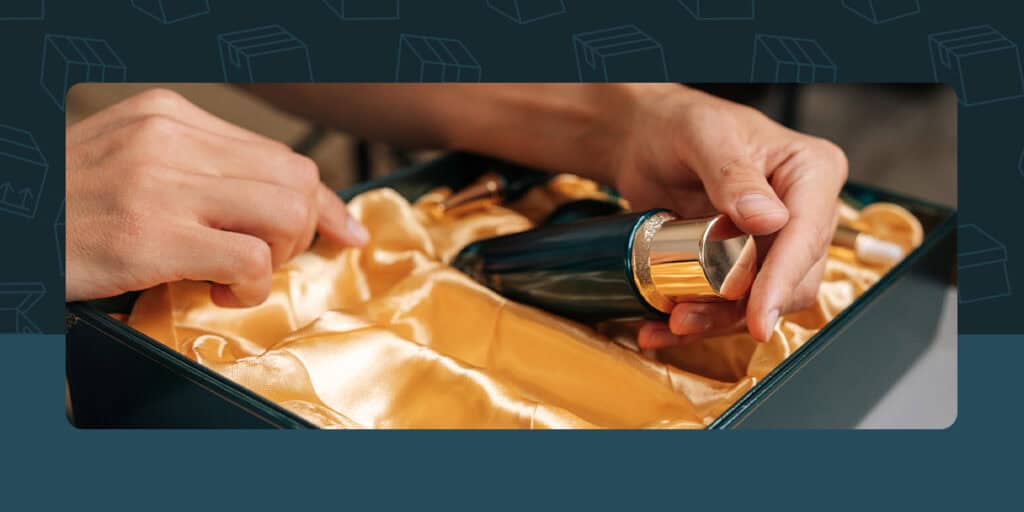
During the 2025 holiday season, 92% of U.S. adults spent an average of $1,081. That’s hundreds of billions in consumer spending concentrated in a few short months. Seasonal packaging gives brands a chance to capture attention and convert browsing into buying.
The challenge is doing it without blowing your budget or getting stuck with boxes you can’t use afterward. This guide walks you through two strategic approaches to seasonal packaging updates and outlines the timeline to achieve maximum impact at a manageable cost.
Seasonal packaging strategies fall into two main categories, and the best choice depends on your campaign goals, brand, budget and the level of flexibility you need after the season ends. Both approaches can deliver strong results when executed correctly.
The first path delivers maximum visual impact with a fully custom design. The second prioritizes flexibility by pairing a standard box with seasonal add-ons. Understanding the strengths of each helps you choose the right fit for your business.
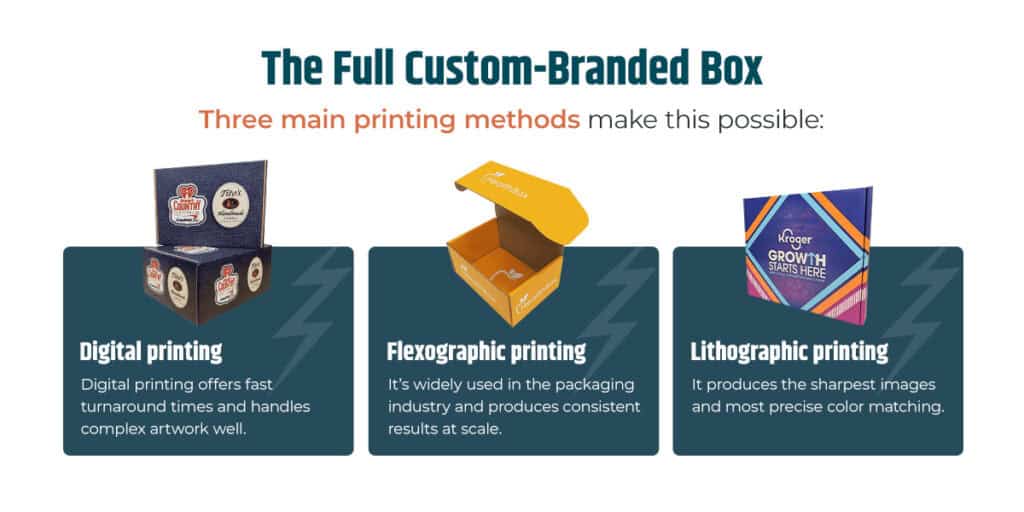
A fully custom-branded box offers the highest visual impact. This approach means designing and printing boxes specifically for a seasonal campaign, with graphics, colors and messaging tailored to the holiday or event you’re targeting.
Research shows that when packaging reflects a brand’s identity, consumers perceive the product as roughly 27% more valuable, and sales can increase anywhere from 10% to 30%. When customers receive a box that feels premium, they’re more likely to share it on social media and remember your brand long after the season ends.
Custom seasonal packaging also gives you control over print quality and design complexity. Three main printing methods make this possible:
This strategy starts with a standard, unbranded box that works year-round, then layers on seasonal elements, such as packaging sleeves, themed sticks, labels, custom inserts and cards.
You can design sleeves for different seasons and swap them out as needed, giving you the flexibility to test multiple designs without ordering thousands of boxes for each one. Themed stickers and labels add high-impact details at a fraction of the cost. A well-designed holiday sticker on a one-panel folder (OPF) box can communicate the season while maintaining a minimal look.
Stickers also let you create limited-edition packaging variations that drive urgency and exclusivity. Research suggests that attractive packaging can influence impulse shopping. Custom inserts and cards personalize the unboxing experience without changing the box itself. They are also easy to update, so you can test different messages and offers throughout the season.
This approach works especially well for brands that sell year-round and want to avoid excess inventory. You can order your evergreen boxes in bulk from suppliers for better pricing, then add seasonal elements only when you need them.
Timing determines the success of any seasonal campaign. Rush fees, supply chain delays and production backlogs can derail even the best-designed packaging if you wait too long to start planning. Following a clear timeline keeps costs under control and ensures your boxes arrive when you need them.
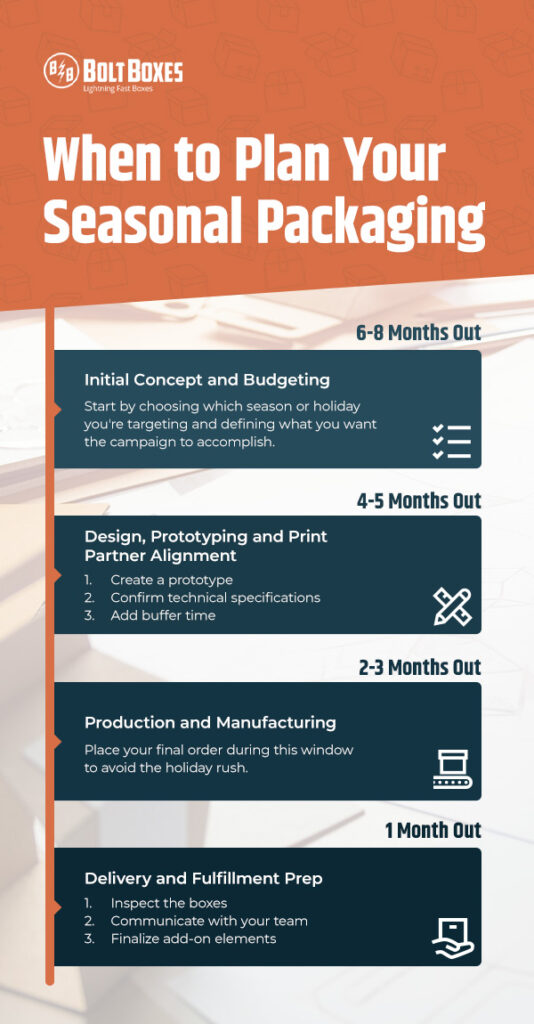
This phase is all about setting the foundation. Start by choosing which season or holiday you’re targeting and defining what you want the campaign to accomplish. Are you aiming to increase average order value, drive social media engagement or improve brand recognition among a specific audience?
Once you’ve defined your goals, set a preliminary budget. Consider the cost of design, printing and any add-ons like inserts or stickers. Factor in shipping costs as well, since custom boxes may require different handling than your standard packaging.
Nearly 80% of survey respondents cite inflation as a top shopping concern. Price-conscious consumers mean you need to balance packaging investment with the value it delivers. Early planning gives you time to explore cost-effective options and avoid last-minute compromises.
Design work begins in earnest during this phase. If you’re working with a designer, provide clear direction on your brand guidelines and campaign goals. The design should feel seasonal without overwhelming your core brand identity.
Place your final order during this window to avoid the holiday rush. Production facilities get backed up as the season approaches, and lead times can stretch significantly if you wait too long.
Confirm your delivery date with your print partner and make sure it aligns with when you need to start fulfilling orders. If you’re launching a campaign on a specific date, work backward from that deadline to determine when boxes need to arrive at your warehouse.
Your boxes should arrive during this phase. Once they do, follow these steps:
Strategy and timing matter, but the details determine your return on investment (ROI). These considerations help you avoid common mistakes and maximize the impact of your seasonal packaging.
Current design trends shape customer expectations, but the right choice depends on who you’re selling to. Before committing to a seasonal design direction, think about your customer base and what resonates with them.
For example, if your customers are primarily Generation Z, millennials or higher-income shoppers, you might take an eco-chic approach with environmentally friendly kraft boxes. McKinsey research shows that these groups are most willing to pay more for sustainable packaging.
Here are a few other holiday packaging design trends to consider:
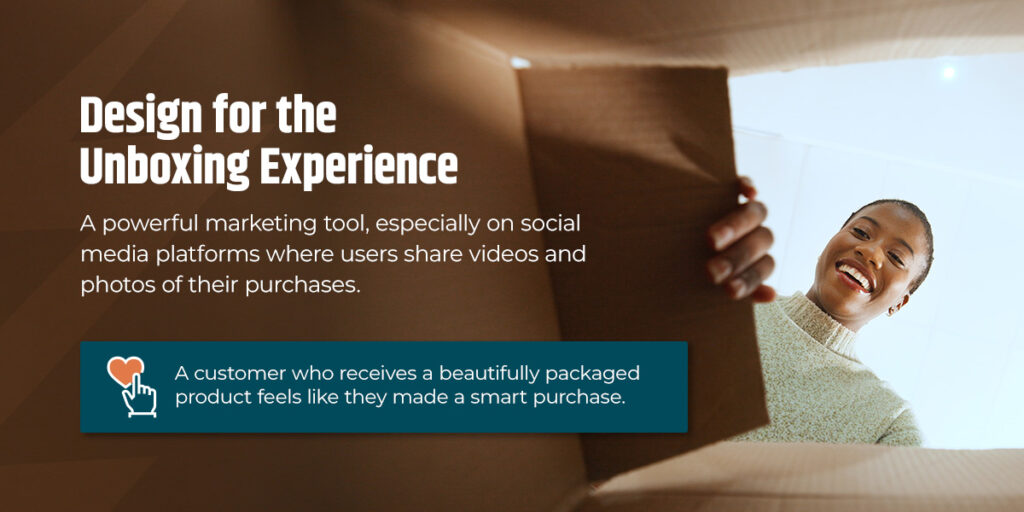
The unboxing experience refers to the moment when a customer opens their package and interacts with your product for the first time. This moment has become a powerful marketing tool, especially on social media platforms where users share videos and photos of their purchases.
The unboxing experience also reinforces brand perception. A customer who receives a beautifully packaged product feels like they made a smart purchase and got good value for their money. That positive association can increase the likelihood of repeat purchases and word-of-mouth recommendations.
Some ways to capitalize on this experience include:
Seasonal packaging has a short shelf life. Order too many boxes, and you’re stuck with inventory you can’t use. Order too few, and you miss sales opportunities or have to pay rush fees for a second run.
Review sales data from previous seasons to estimate demand, then adjust based on any changes to your marketing strategy or product lineup. If you’re unsure, start with a smaller order and plan for a reorder if demand exceeds expectations.
The modular approach helps mitigate this risk. If you’re using an evergreen box with seasonal add-ons, you only need to forecast demand for the add-ons. Your base boxes can be ordered in larger quantities since they work year-round.
Track inventory levels throughout the season and adjust your marketing efforts accordingly. If you run low on boxes earlier than expected, you can scale back promotions or prepare for a quick reorder. If you have excess inventory as the season winds down, you can run end-of-season sales to move remaining stock.
You need data to evaluate your seasonal packaging campaign and make informed decisions for future seasons. Track metrics that tie directly to your goals:
No matter which seasonal packaging strategy you choose, Bolt Boxes can support your campaign. From fully custom branded boxes to evergreen designs you can pair with seasonal add-ons, we have the capabilities to execute your vision. We offer digital, flexographic and lithographic printing options all under one roof, so you can choose the approach that best fits your brand and budget.
We specialize in custom-sized shipping boxes and mailer boxes designed to protect your products and promote your brand through every unboxing. We bring nearly 60 years of packaging experience and maintain an on-time delivery rate of over 99%. Plus, with our ISO 9001:2015 Certification and G7 Master Certification for print excellence, your seasonal campaign will be in expert hands.
Use our online box builder tool to explore custom options or contact the Bolt Boxes team to discuss your seasonal packaging strategy.


