

What Is Litho Printing?

What Is Litho Printing?

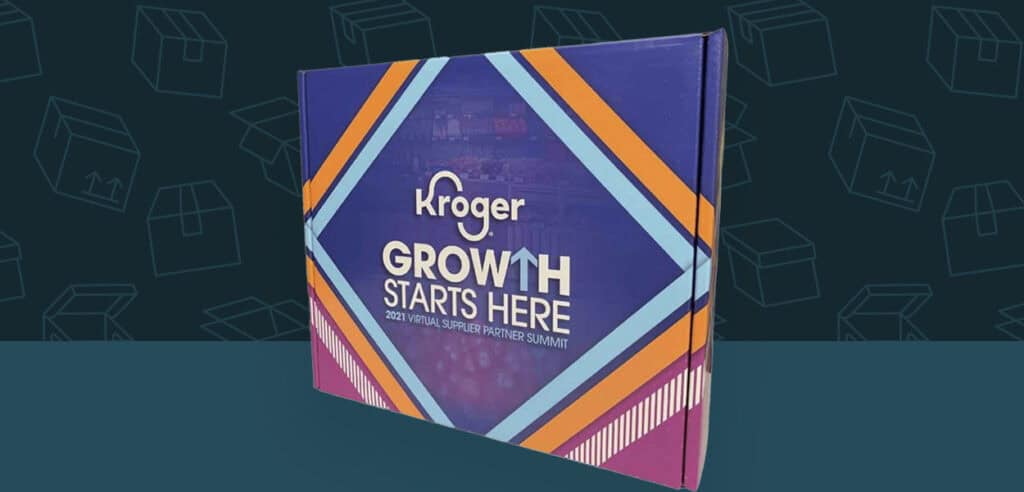
Lithographic printing produces sharp, vibrant and exquisitely detailed images. When using custom packaging to boost brand identity and create shareable unboxing moments that stand out in a competitive market, custom litho-printed boxes are a beautiful way to convey your values, tell your brand story and build customer loyalty. 

Unlike direct ink-to-substrate flexographic printing, litho printing prints an image on paper and then laminates it onto packaging material. Ink is applied to a printing plate and transferred to a rubber blanket before it is passed on to the printing box, which is why it’s sometimes called “offset printing.”

Learn more about lithographic printing for packaging and how it can benefit your business. 

How Litho Printing Works

Custom boxes are, in essence, mobile billboards. Inside and out, they offer a high-profile space to communicate with your customers. What makes a bigger impact than crisp words, vivid images and the joy of anticipating what’s inside? 

The journey to unboxing begins with design and layout.

1. Plate Creation

First, the plate creation process entails two key steps:

  • Image preparation: The design or artwork is separated into different colors, usually CMYK — cyan, magenta, yellow and black. 
  • Plate making: For each color, a thin metal — usually aluminum — plate is made. Each plate has the image area for one color, chemically treated so that the image area attracts ink and the non-image areas repel it, based on the oil and water principle.

2. The CMYK Color Process

Getting the color process just right comes next:

  • Color separation: Litho printing uses the CMYK process, which involves four separate plates and ink stations — one for each color.
  • Layering: The packaging material passes through each color station in sequence, layering the inks to create a full spectrum of colors and detailed images.
  • Registration: Precise alignment, called “registration,” means the colors line up perfectly, resulting in crisp graphics and vibrant, consistent color.

3. Inking the Plates

The plates are now ready to be prepared:

  • Ink application: Each plate is mounted onto a printing press. The plate is first daubed with water, which clings to the non-image areas only.
  • Ink adherence: Oil-based ink is then rolled over the plate. The ink sticks only to the image areas, while the water repels ink from the non-image areas.

4. Offset Transfer to a Rubber Blanket

Now, the magic begins:

  • Offset process: The inked image is not transferred directly to the packaging material. Instead, it is first transferred, or offset, from the plate to a rubber blanket cylinder.
  • Conformable transfer: The rubber blanket is flexible and can conform to the texture of the packaging substrate for a clean, even image transfer.

5. Application to the Packaging Material

The final stage includes a two-step transfer:

  • Transfer: The packaging material — custom-printed boxes, labels, paper and many other materials — passes between the rubber blanket and an impression cylinder.
  • Image transfer: The inked image is pressed from the rubber blanket onto the packaging material, producing a sharp, high-quality print.

Advantages of Litho-Printed Boxes

Lithographic printing can produce sharp images, print on different materials and offer customizable finishes, making it a popular choice for brands that want to make an impression. Here’s a closer look at the advantages:

  • Premium quality printing: Litho laminated boxes have sharp detail and vibrant colors. This is particularly important when you want to make a visual statement while representing your brand. The process can achieve consistent color throughout large print runs and produce intricate and photographic images.
  • Versatile for many materials: Litho printing for cardboard boxes produces excellent results, but it can also be used on many other materials, even plastic, metal and fabric. This means businesses can select the material most suitable for their product and branding needs.
  • Increased durability: Litho laminated boxes are water resistant, which allows products to reach their destination in pristine condition.
  • Customization options: Specialty finishes like embossing, metallic colors and different coatings give businesses many options to create unique, eye-catching packaging that stands out from their competitors.
  • Cost-effective for big runs: The initial setup costs for litho printing can be higher than with other printing methods. However, printing becomes more economical for larger print runs, with the cost per unit decreasing as the quantity increases.

Litho Printing vs. Other Printing Methods

When choosing the right printing method for your business needs, consider cost, volume, quality and speed, as they apply to litho, flexo and digital printing.

Lithographic Printing

This planographic printing method uses inks, aluminum plates and rollers to produce vibrant, high-definition imagery. Key factors to consider are:
  • Cost: The initial setup of printing plates is more expensive than the other methods, making litho printing less ideal for short runs.
  • Volume: It’s best suited for medium to large volumes.
  • Quality: Lithographic printing offers a wide range of colors and detailed, high-quality results.
  • Materials: Printing is possible on many different types of materials.
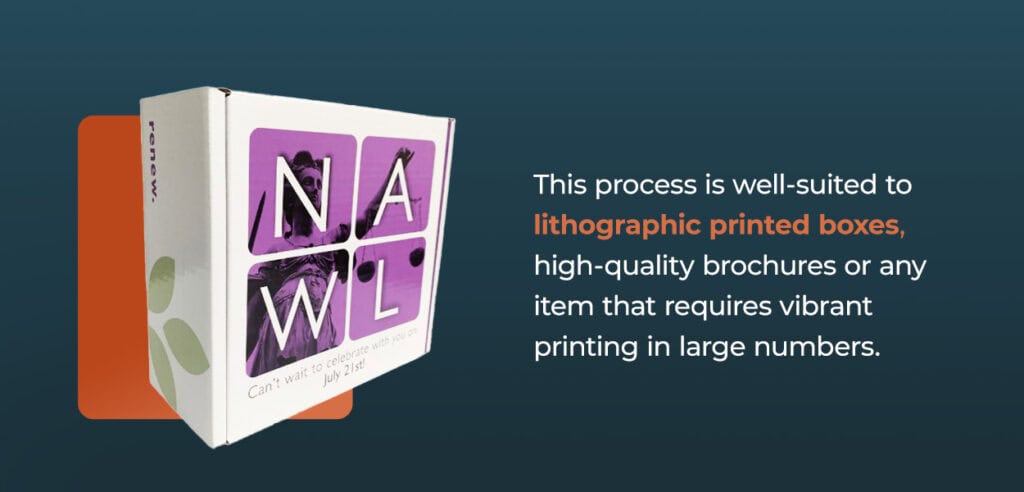
  • Applications: This process is well-suited to lithographic printed boxes, high-quality brochures or any item that requires vibrant printing in large numbers.
Flexographic Printing

Flexographic Printing

High-speed, roll-feed flexography is a popular choice for these reasons:

  • Cost: Flexo printing is more economical for very large print runs.
  • Volume: It’s best for large-volume printing.
  • Quality: While the quality is good, it’s less detailed than litho printing.
  • Speed: This method is capable of very fast printing speeds.
  • Materials: Flexo is versatile across a wide range of materials, from custom boxes to foils and more.
  • Applications: It’s commonly used for packaging, labels and flexible materials.

Digital Printing

When deciding whether to choose this method of printing digital-based images directly onto a substrate, take into account: 
  • Cost: Digital printing is more cost-effective for short runs and prototypes with lower setup fees.
  • Volume: It’s perfect for short runs and on-demand printing.
  • Quality: The process yields high-quality results, and technology advancements help achieve better detail.
  • Speed: Minimal setup means fast turnaround times.
  • Materials: This is a highly versatile printing method for paper, fabrics and some plastics.
  • Applications: Digital printing is often used for personalized items and projects where designs need to be changed often.

Achieving Sustainable Packaging With Litho Printing

Achieving Sustainable Packaging With Litho Printing

With corporate sustainability initiatives and a shift in consumer buying decisions, turning to plastic-free packaging alternatives is a popular trend that’s here to stay. Custom shipping boxes are an ideal solution for many companies.

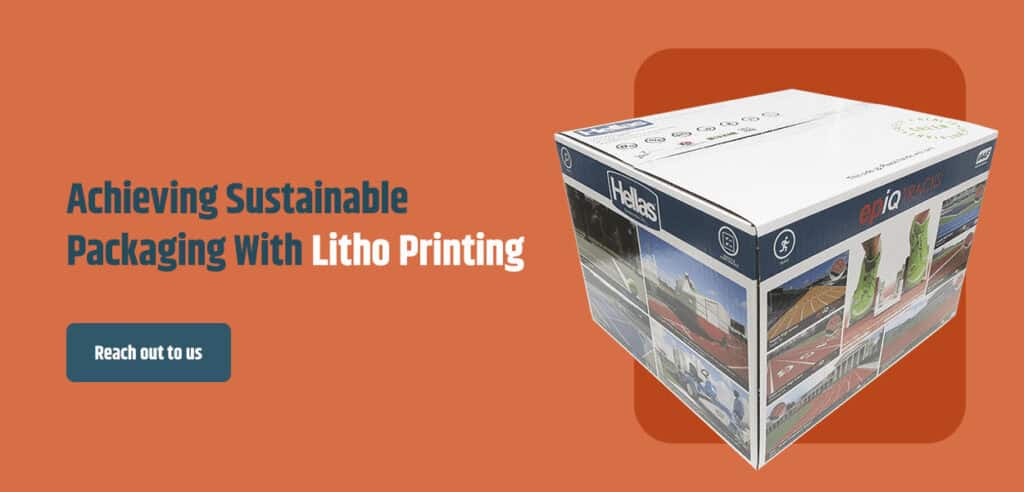
Tailored to the specifications of your product, they reduce the need for fillers, allow the packages to reach your customers safely and also eliminate unnecessary waste. Manufactured from responsibly sourced or biodegradable material, custom boxes reduce environmental impact and enhance your brand image. At Bolt Boxes, we are SFI® Certified and manufacture our boxes with 100% recyclable kraft boxes.

The personalized packaging market is constantly changing. Keeping up with custom packaging trends can set your products apart in a crowded marketplace. We have been helping businesses elevate their packaging for almost 60 years.

Contact us today to discuss how litho printing can elevate your brand story, or build your box online to receive a free quote in five simple steps.

