
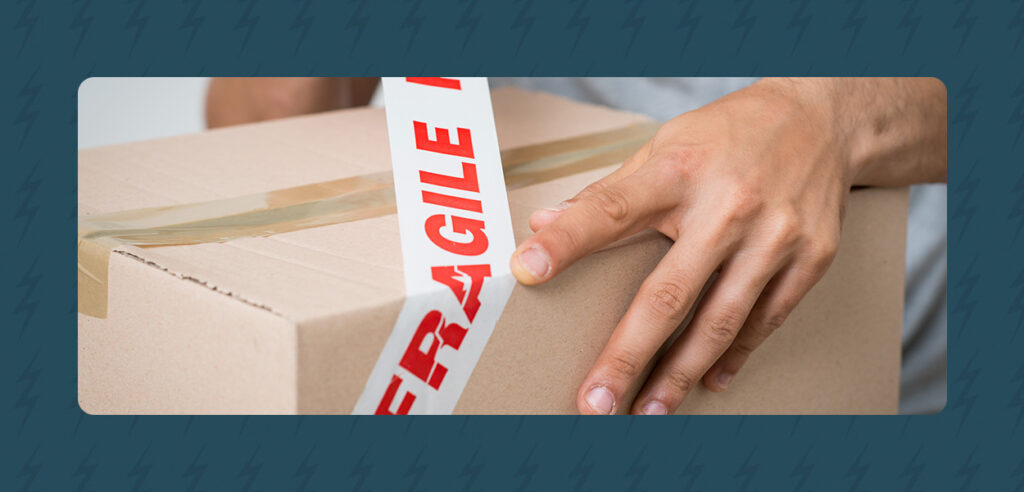
Few things test your patience like the stubborn, sticky residue left after peeling up packaging tape. This adhesive mess clings to wood, plastic, metal, glass and cardboard, making cleanup a hassle.
Fortunately, there are plenty of ways to tackle tape residue, from simple home remedies to powerful commercial cleaners. Save your fingernails and sanity by finding the appropriate solution and restoring a tidy, frustration-free workspace.
Do a spot test in an inconspicuous place before trying these fixes. Some methods may damage the object under the adhesive. The trick is to find an option that breaks up the adhesive without scratching, discoloring or damaging the underlying material.
The best adhesive removal option depends on the material you use and how stubborn the packing tape is. You can start with a gentle option, then try more aggressive approaches until you’re successful. Some of these methods take patience, like waiting for materials to soak in water for a while. A combination of tactics can remove layers of adhesive until the object underneath is dry and squeaky clean.
It’s impossible to soak cardboard without ruining it. And while you can use some adhesive cleaners on metal with no issue, they may melt or discolor plastic. End your frustration with this easy-to-use guide that breaks down the best adhesive removal methods by material.
Wood is porous, and different adhesive removers are appropriate for finished wood versus unfinished wood. Try these approaches to remove packing tape adhesive from finished wood.
When working with finished wood, avoid treatments that can damage or remove the finish, such as straight vinegar and alcohol-based products. Unfinished wood can also be challenging, since it can soak up whatever solution you place on it. Try these gentle methods for removing tape residue from unfinished wood.
Always spot test before trying any remedy, then wait a few minutes to see if it causes damage or discoloration. Start slowly and gradually escalate your methods when removing adhesive from sensitive materials like wood.
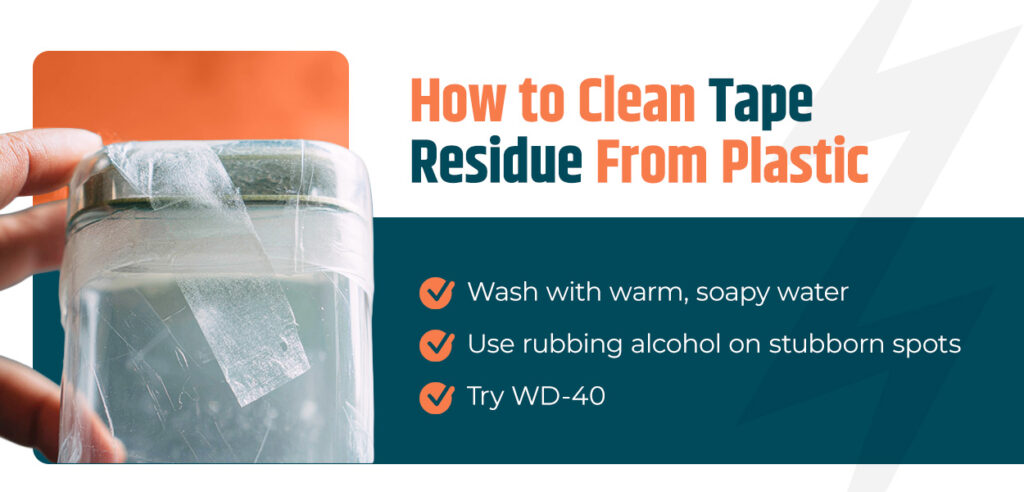
Do you have adhesive that’s stuck to plastic? Though plastic is typically sturdier than wood, it doesn’t handle heat well and scratches easily. Here’s how to remove packing tape adhesive from plastic objects.
If you’re having trouble getting packing tape residue off plastic, try using a scraper or credit card with these solvents. Start slowly and be careful not to scratch.
Metal doesn’t absorb solvents, but you can still leave scratches if you apply too much force while removing packing tape adhesive. Here are some options for getting sticky residue off metal.
Use a slightly gentler approach for glass products with stuck adhesive. Here are some effective ways to work sticky residue off glass.
Getting adhesive off glass takes patience and determination. Don’t give up and use extreme caution if you choose to try the razor blade method.
Removing packing tape adhesive from cardboard boxes is a unique challenge. Peeling tape off can damage cardboard, and removing remaining adhesive can be even trickier. You can’t get cardboard wet, so most solvents are useless for removing sticky tape residue on this surface. Here are a few things you can try.
You may be better off replacing cardboard if you’re having trouble removing sticky adhesive from it. Thankfully, this isn’t an expensive mistake — cardboard is affordable and 100% recyclable.
Are you looking for more potent adhesive removal solutions? Goo Gone is a commercial product that works on most materials without causing damage. You shouldn’t use it on rubber, unfinished wood or fabric, but it’s a good choice for materials like metal, plastic and glass. Read all the directions for best results.
Another option to consider, GOJO heavy-duty towels are an industrial product designed to easily remove grease, dirt and oil. These premoistened wipes have a rough surface that makes short work of messes. Before using this method, spot test it on the material you’re working on to make sure it won’t damage or scratch the finish.
Bolt Boxes offers a personalized process with quick turnaround, so you receive customized boxes fast. Our range of printing options includes litho, flexo and digital, so you can display company graphics and elevate your customers’ product unboxing experience.
Our ISO 9001:2015 Certification and experienced structural designers are hallmarks of our commitment to quality. Use our easy design tool to get started, or contact us for excellent customer service and more information. With a lead time of a week to 10 days, we can get custom boxes to you fast!