


The fashion industry is evolving, and consumers are leading the change. Today’s shoppers favor brands that demonstrate a commitment to sustainability, and they’re willing to reward these brands with loyalty and repeat purchases.
Despite this shift, some brands still rely on traditional packaging methods that are inefficient, wasteful and misaligned with current values. Generic oversized packaging, single-use plastics and excessive void fill materials are found in shipping operations. These approaches generate waste and higher shipping costs, and can dilute a brand’s story.
Sustainable apparel packaging enables brands to minimize their environmental impact, which can enhance operational efficiency and help companies create packaging that aligns with their values and improves the customer experience.
Below are eco-friendly solutions for the fashion industry.
Some clothing brands rely on conventional packaging without fully considering the environmental footprint. That convenience carries inherent risk, including:
Sustainable packaging for clothing strengthens brand perception, reduces operational waste and improves efficiency. Brands that adopt smarter, right-sized packaging may experience ecological benefits and measurable business value, as each improvement impacts various aspects of their operations. Explore the benefits of using eco-friendly solutions.
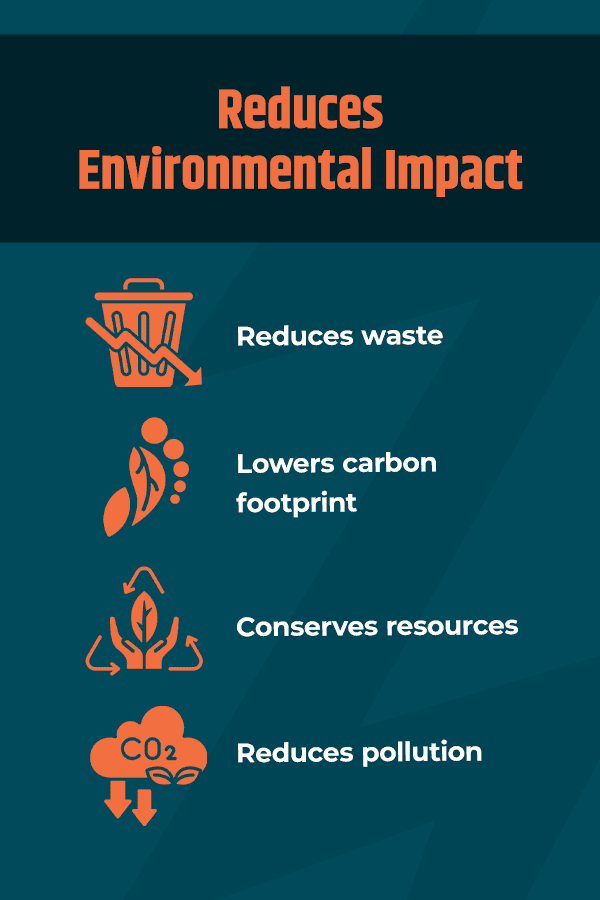
Sustainable packaging addresses the environmental challenges of traditional shipping materials. Brands can reduce their environmental footprint by rethinking how boxes are designed, sized and sourced. Some advantages of using eco-friendly solutions include:
Thoughtful packaging design reinforces brand identity because some customers connect sustainable choices with intentional craftsmanship. When a box is properly sized, well-structured and fully recyclable, it suggests a brand cares about details beyond the product itself. This attention to detail may deepen trust because the packaging reflects broader environmental values.
A well-executed unboxing moment also supports customer satisfaction. Clean, simple materials present garments in a polished way, and reducing excess filler removes the waste guilt customers may experience when opening traditional packaging. The result is a consistent brand story because the product, experience and values all align. This alignment may boost loyalty and encourage repeat purchases, as customers see the brand acting on sustainability.
Although custom packaging may carry a higher initial unit cost than off-the-shelf boxes, the return on investment becomes clear once material efficiency and shipping savings begin compounding. The primary influence behind these savings is proper sizing.
Since right-sized boxes reduce the amount of corrugated material required per shipment, they decrease per-order packaging costs over time. The box fits the product, so the brand also reduces the recurring expense of void-fill materials. Companies may experience significant savings once order volume scales.
Additionally, since some carriers charge based on dimensional weight, reducing a box’s height or width may lower the shipping cost for each unit. When applied across multiple monthly shipments, these dimensional reductions may decrease freight spend.
Sustainable packaging helps brands stay ahead of evolving environmental regulations. Regulatory bodies require packaging to meet recycling standards or limit the use of single-use plastics. Right-sized, recyclable packaging simplifies compliance because it aligns with these mandates by design.
By selecting sustainable packaging and minimizing excess materials, brands reduce the risk of potential regulatory penalties and streamline reporting requirements. Compliance also strengthens brand credibility, which demonstrates a proactive commitment to responsible business practices that resonate with customers and partners.
Selecting the right box style for each apparel category ensures the product arrives in optimal condition while reinforcing the brand’s standards for quality, efficiency and presentation. Different garments require varying levels of protection and rigidity, so it helps to align each box format with the characteristics of the item being shipped. Below are some sustainable packaging ideas for clothes.
Mailer boxes align well with lightweight garments because their structure supports e-commerce settings. Their auto-locking design reduces the need for tape, which improves packing speed and keeps presentations consistent across shipments. Additionally, the hinged lids open like a display panel, which creates a clean reveal that subscription customers may expect from curated kits.
Mailer box formats support branding and messaging across the interior and exterior panels, helping casual apparel brands deliver a polished, premium unboxing experience. Their durability also protects soft garments from shifting during transit.
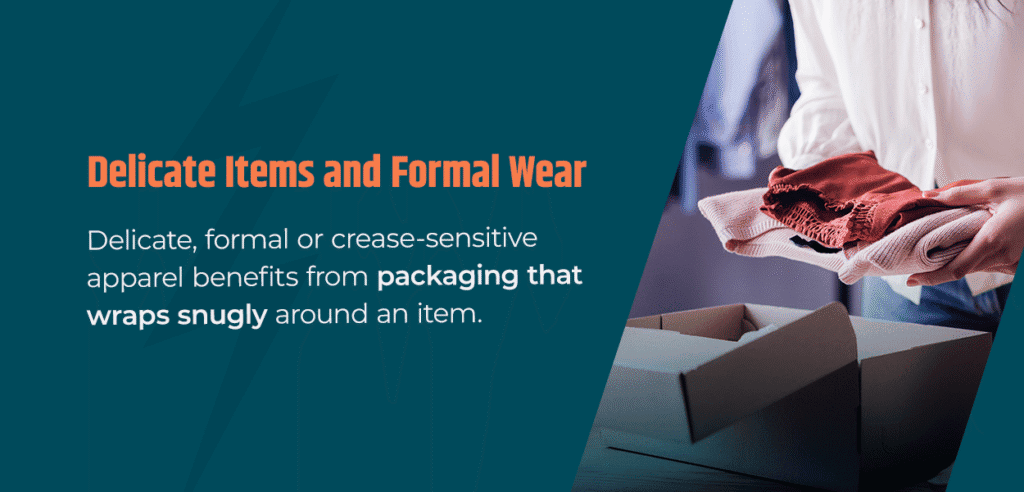
Delicate, formal or crease-sensitive apparel benefits from packaging that wraps snugly around an item. The one-panel folder is engineered for this purpose. Its structure anchors flat garments securely so they do not slide or wrinkle, which is important for pressed items.
The packaging uses less board than a full box, which helps strike a balance between protection and efficiency. This feature also makes it an effective choice for brands shipping individual garments.
Luxury products require packaging that elevates a customer’s experience from the moment they open the box. The tray-and-cover format achieves this through its two-layer edge construction, which mimics the reveal of a high-end gift box. The rigid tray provides structural stability for accessories, curated gift sets or premium apparel that benefit from a clean display. The separate lid allows controlled friction when opened, which reinforces a sense of quality.
Leather jackets, heavy knits or bulk quantities of apparel require stronger packaging when distributed through longer or multicarrier shipping routes. The full overlap container provides this stability through its overlapping flaps.
This structure reduces panel flex and provides superior edge protection, reducing the risk of crushing or deformation during transport. Its strength makes it suitable if you’re looking to protect the shape of heavier shipments and maintain brand professionalism.
The half-slotted container (HSC) supports wholesale and retail shipments where easy access and efficient merchandising are important. Its open-top design allows receivers to lift products out quickly or convert the box into a shelf-ready display.
This efficiency reduces handling time and supports retail partners who need protective transit packaging and functional in-store presentation. Because the HSC is durable and easy to palletize, it fits well into B2B workflows.
Custom sustainable packaging can reinforce your brand identity, improve customer perception and communicate your sustainability values. When designed intentionally, it combines operational efficiency with a meaningful brand experience, making each shipment an extension of your brand story.
Custom packaging allows you to create a design that aligns fully with your brand identity. When companies select recycled or recyclable materials, choose right-sized dimensions and integrate thoughtful structural elements, the packaging tells a story of sustainability and quality. For example, a brand can utilize printed messaging, color schemes and logos to reflect its ethos, all while minimizing waste.
The design also affects the unboxing experience, which in turn impacts customer satisfaction. A box that fits the garment perfectly, opens cleanly and displays the product in an organized, visually appealing way supports the perception of quality.
Packaging is an effective communication tool. Some customers may expect brands to act on sustainability claims, and your packaging may be the first interaction they have with those values. Brands can visually and tangibly convey their environmental commitment by using eco-friendly materials, right-sized boxes and clear messaging.
For example, printing claims such as “100% recyclable” or “made from postconsumer waste” on the packaging surface reinforces a company’s dedication to responsible production. Additionally, minimal design demonstrates sustainability, which can make the effort substantive.
Correctly sizing boxes and reducing or eliminating void fill can send a subtle but impactful message. Customers may notice efficiency in packaging, and that perception of responsibility strengthens trust. Consistent messaging through packaging can enhance a brand’s image and create a sense of alignment between a customer’s values and a business’s practices.
Bolt Boxes offers a comprehensive and reliable solution for clothing brands to obtain custom corrugated boxes that align with sustainability and identity. Our model emphasizes control, flexibility and environmental responsibility. Here’s why brands can benefit from partnering with us to achieve their sustainability goals.

Bolt Boxes simplifies the custom box journey by putting the control in your hands. We offer an online configurator where you can enter the exact inside dimensions you need, along with box style, material strength and printing preferences. You define the length, width and depth so the box fits your garments snugly.
We handle design, printing, manufacturing and delivery in-house, and our efficient workflow ensures fast turnaround and tight quality control.
A collaborative design process means you get packaging tailored to your products, which reduces waste and ensures the packaging supports your brand aesthetic.
Bolt Boxes builds all corrugated boxes from 100% recycled materials. Our kraft boxes are made from 60% to 95% postconsumer waste, and even our corrugated options draw from recycled content.
We’ve been producing custom boxes for nearly 60 years, and our facility incorporates a full in-house manufacturing plant, design and prepress teams, and strict quality standards. We control the entire production chain, so there’s less risk of hidden costs.
Using custom corrugated boxes from Bolt Boxes delivers several benefits, helping brands align with the following environmental and business performance metrics:
If you’re looking to align your clothing brand with sustainability and deliver a packaging experience that reflects your values, transitioning to custom, eco-friendly solutions can help you achieve that.
Bolt Boxes designs and manufactures custom shipping and mailer boxes tailored to your garments. Our solutions protect your products, minimize wasted materials and communicate quality to every customer.
We handle everything in-house — from design to printing, manufacturing and delivery — which gives us tighter quality control and faster turnaround times. With almost 60 years of experience, ISO 9001:2015 certification and 100% recyclable kraft material containing 60%-95% postconsumer waste, we offer a packaging solution that’s responsible and reliable.
Contact us today to discuss your needs.


